Leadership in the Death Zone
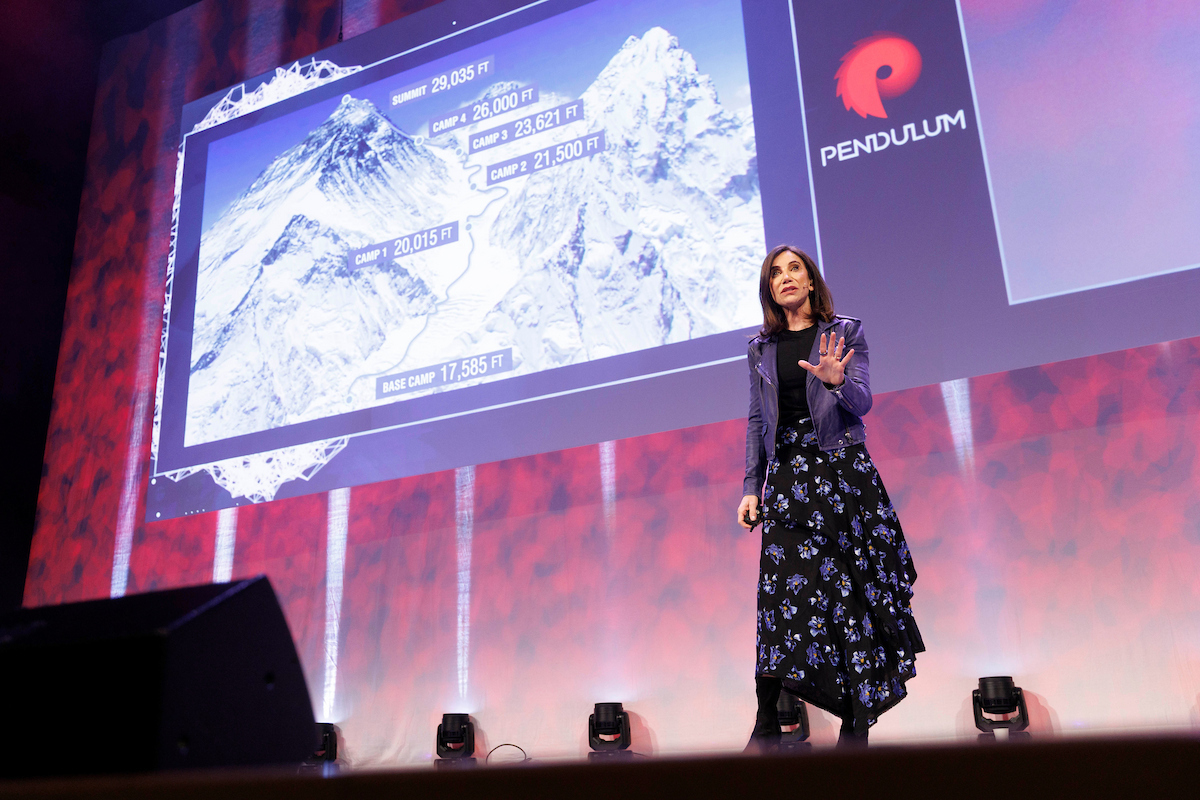
Levine brought the room to 8,000 metres above sea level, a place climbers refer to as the “death zone.”
“So the high camp, it’s at 8,000 meters, also known as the death zone and they call it the death zone for a really good reason and that’s because at 8,000 meters human life can no longer be sustained and your body is slowly starting to die.”
It was a sobering reminder that leadership is not forged in comfort. At that altitude, the margin for error disappears. Decisions carry weight. Ego fades quickly. What remains is preparation, discipline and the ability to remain calm when your environment turns hostile.
In business, we often use the language of pressure loosely. Levine redefined it.
Progress When Every Step Costs You
At that elevation, even the simplest movement becomes a test of endurance.
“At this elevation you have to take about 5 breaths for every step.”
🎥 Watch the clip:
She described what that looks like in practice, one step, five breaths. Another step, five breaths. Slow. Deliberate. Relentless.
In a world that celebrates speed and constant acceleration, her message landed hard. Not all progress is fast. Not all progress looks impressive. Sometimes the most important progress is simply continuing to move forward when every step feels heavy.
Leadership, she suggested, is often less about dramatic breakthroughs and more about sustained effort in difficult conditions.
Perspective Is a Leadership Advantage
With characteristic understatement, Levine added:
“So if you ever think you’re having a slow day… it could be so much worse.”
The room laughed, but the lesson was clear.
Frustration with pace is common in business. We want faster growth, quicker results, immediate momentum. But resilience is built in environments where progress feels slow and uncomfortable.
The mountain does not reward impatience. It rewards preparation, teamwork and perspective.
By reframing what a “slow day” really means, Levine reminded leaders that mindset is often the difference between quitting and continuing.
Resilience Is Built Before the Summit
Throughout her session, Levine reinforced a central truth: you do not develop resilience at the summit. You develop it long before you arrive there.
Extreme environments expose leadership. They do not create it.
The habits, discipline and humility required at altitude are built at lower levels, in preparation, in small decisions, in daily standards. The same applies in business. When crisis hits, leaders fall back on what they have already practised.
Resilience is not reactive. It is trained.
Key Takeaways from Alison Levine’s Talk
Resilience is a daily discipline: Leadership under pressure depends on preparation long before the crisis arrives.
Progress is not always fast: Sometimes success is simply taking the next step, no matter how slow it feels.
Perspective reduces panic: Reframing challenges changes how we respond to them.
Ego has no place in extreme conditions: Effective leaders prioritise the team and the mission over personal recognition.
Endurance is a competitive advantage: The ability to keep moving when others stop separates good from exceptional leadership.
A Defining Lesson at Pendulum Summit 2026
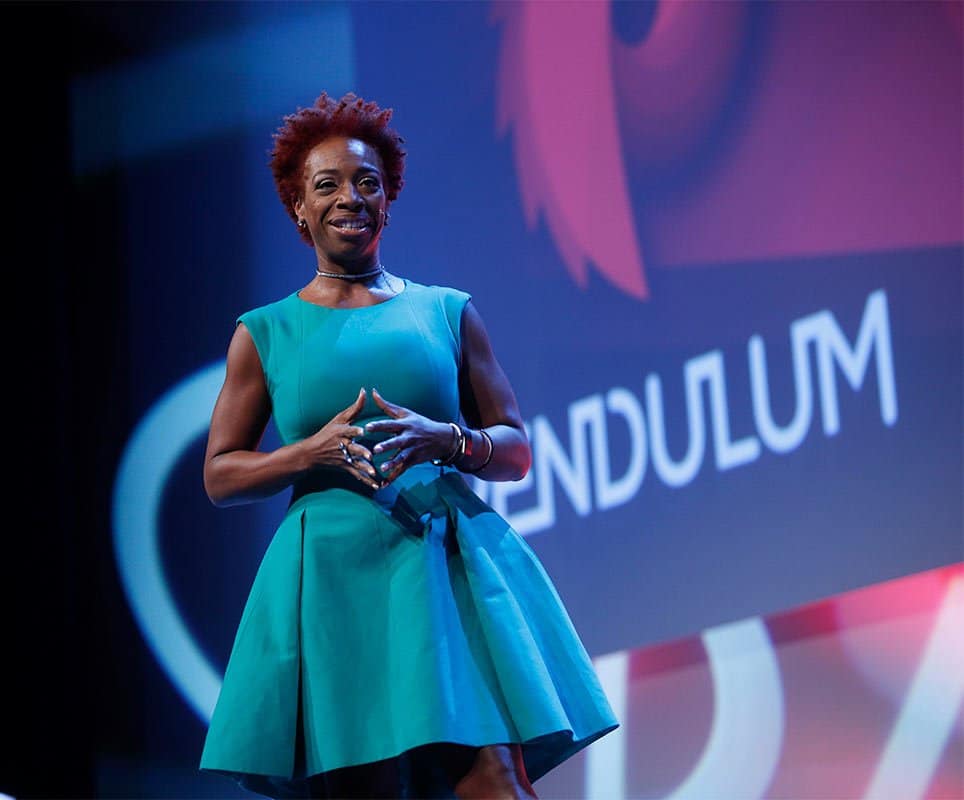
Alison Levine’s keynote grounded Pendulum Summit 2026 in something fundamental.
Strategy matters. Innovation matters. But without resilience, neither lasts.
Her session was a reminder that leadership is not always about speed, scale or visibility. Sometimes it is about breath. Focus. Composure.
One step. Five breaths. Keep moving.
To hear Alison’s full talk, visit https://pendulum-360.com/